
Hazardous Indoor Air Quality
+ why non toxic floor cleaner is so important

This week’s substack is a heavier than normal. If you are looking for a lighter read and haven’t read Your Organic Lifestyle Guide, you should!
While I love to talking about the joys of summer, clothes, and self care products - I also think that it’s SO important to create a home that is your oasis. Your safe space. It is where you come home to rest and rejuvenate; where you host your loved ones; & maybe even are or will raise your children there (furry children included ob course!!)?
It should be a place where you nourish yourself and prioritize keeping it as clean & safe of a place as possible.
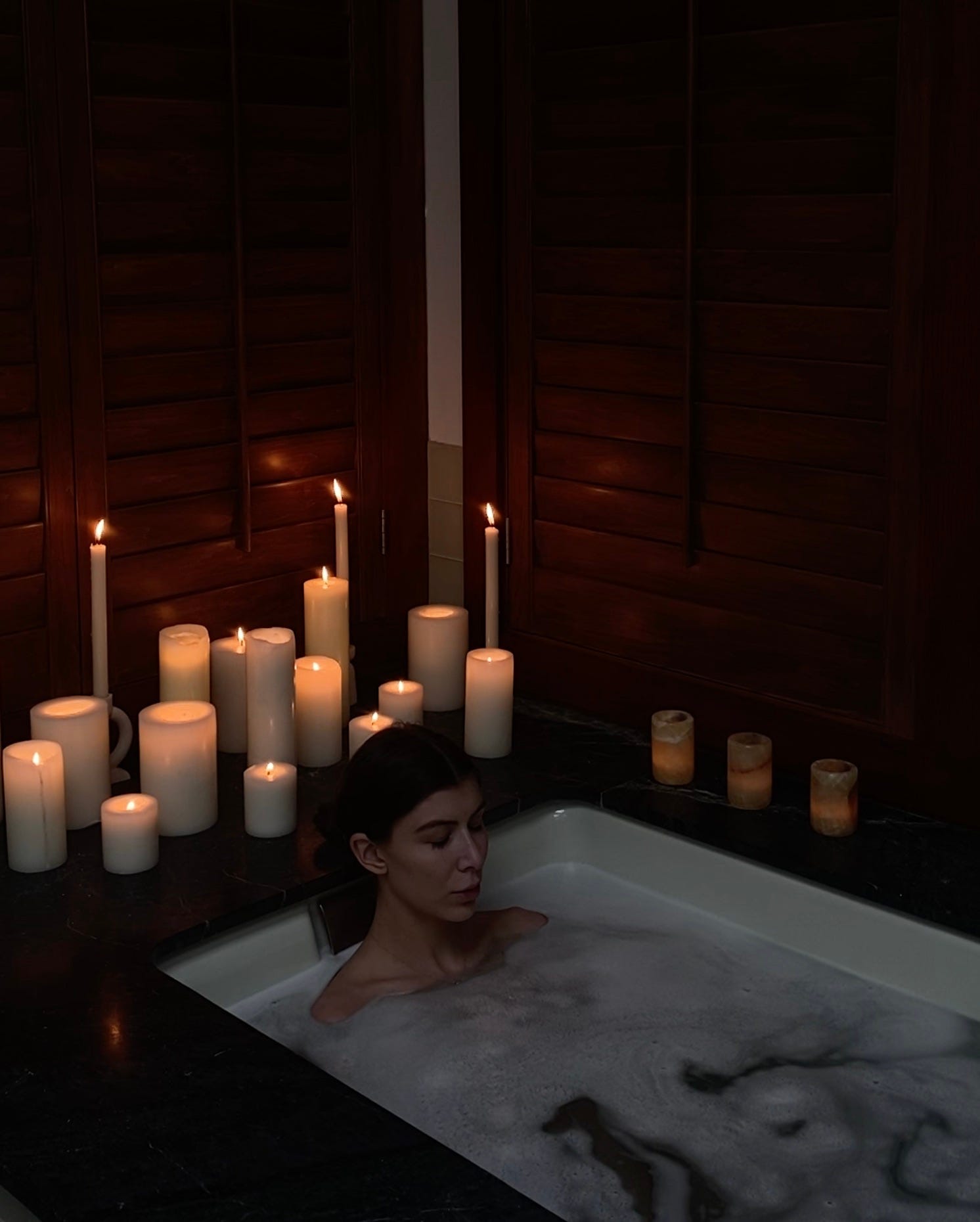
What do you do to make your home a nourishing oasis?
There are a lot of environmental factors that you can’t control when you at work, at store or just out in the world; BUT your home is a space where you can take steps to make cleansing. A place where your nervous system can take a break. Where the anxiety can subside.
We are all struggling with the very real and negative impacts of hormone-disruptors these days. Keep your home a safe space with minimal hazardous chemical exposures.
Transitioning To Non Toxic Living
Swap your fragrance-filled candles and bubble bath, for 100% beeswax candles that are scented with 100% organic essential oils (these are my favorite non toxic candles) and try a few drops of your favorite 100% organic essential oils in your bath! If you are looking for unscented 100% beeswax pillar candles to set the mood without aromatherapy (which I often opt for), these are great!
Now, Let’s Begin:
Because being informed, even when it is hard to hear, is so important.
Often overlooked, the air in your home can be filled with countless hormone-disrupting chemicals, many of which have been linked to dangerous health effects.
According to research study done by the National Resources Defense Council, 45 hormone-disrupting chemicals are found in everyday household dust. These chemicals have also been linked to health hazards including cancer and reproductive toxicity.
According to the American Lung Association, indoor air can be 2-5 times, even up to 100 times, more polluted than outdoor air quality.
Your indoor air quality is polluted from air fresheners, household cleaners, carpeting, household goods, perfumes, off-gassing from furniture and so much more.
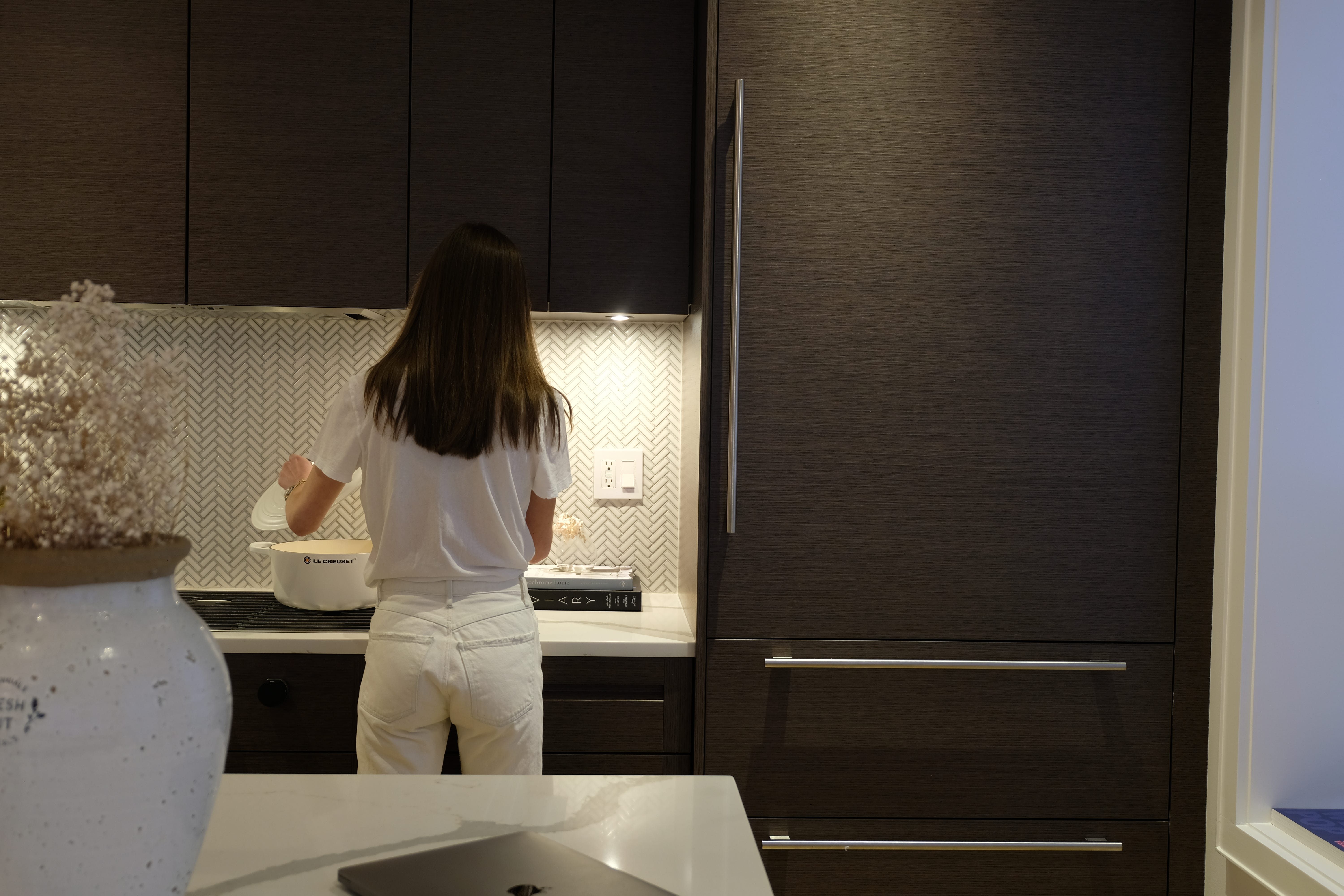
Cooking on a gas stove top can also contribute to indoor air pollution. Gas stoves can generate toxic air pollutants including carbon monoxide, nitrogen oxide, formaldehyde and nitrogen dioxide. Unhealthy air pollutants can also come form heating oil, fat and other food ingredients - especially at high heats. (Never cook olive oil at high heats.) You will notice that once you have air purifiers in several rooms that your AirDoctor will pickup on you cooking rooms away and increase the air purifying process.
Furthermore, the lack of sufficient air circulation and movement (especially in new construction) leads to trapped dust volatile organic compounds (VOCs), dust mites, flame retardants and all sorts of pathogens.
Hazardous Chemicals Commonly Found In Homes
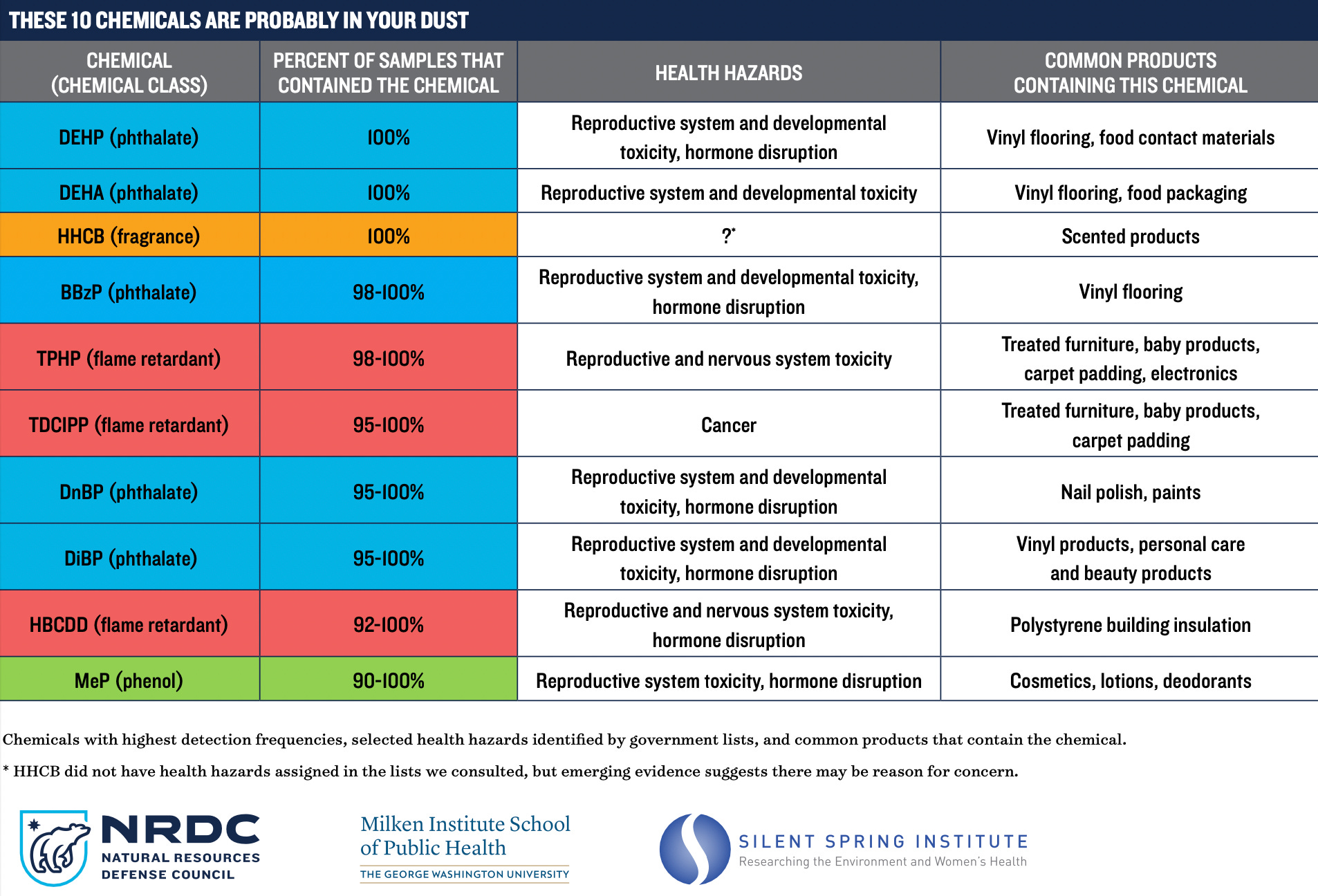
As well as:
Other Flame Retardants - polybrominated diphenylether (PBDE) and chlorinated flame retardants (CFR), organophosphate flame retardants (OPFR)
Health Hazard: decreased fertility, immune suppression, decreased thyroid function, altered sexual development, cancer, delayed brain development, lower IQ, and behavioral problems in humans
Found: mattresses, TVs, furniture.
Nitrogen Oxide
Health Hazard: Sever lung irritant
Found: while cooking with a gas stove
Formaldehyde (HCHO)
Health Hazard: A carcinogen and irritant
Found: while cooking with a gas stove, soap/body wash, shampoo, liquid baby soap and shampoo
Nitrogen dioxide (NO2)
Health Hazard: A reactive gas that can irritate the lungs and weaken resistance to respiratory infections
Found: while cooking with a gas stove
Now what?
Solutions To Poor Indoor Air Quality


#1 Get the best HEPA Air Purifier
This is the best of the best HEPA Air Purifier. When you are investing in your indoor air quality, you want to make sure that the the toxins are actually being removed!! Ensure that the air purifier has a HEPA filter, has 3rd party particle efficiency data demonstrating the ability to filter down to 0.3 morons (so important!!), make sure that air circulation range is adequate for your room size.
If you are considering improving your air quality but are hesitant due to the price tag (rightfully so), you should start by putting one in your bedroom since you. Maybe consider moving it to your home office during the day if you work from home?
Note: We have the several of the AirDoctor classics (not the Smart Purifier, which has bluetooth and connects to your phone) in 3000 and 2000. We absolutely LOVE them.
#2 Clean regularly
Unfortunately, even the best air purifier won’t be able to get everything. Studies show that these chemicals migrate and attach themselves to household dust. The particles that have already settled on your furniture and floors are out of the reach of your air purifier - which is exactly why is is so important to regularly vacuum (affordable HEPA vacuum here) and clean your floors (with a non toxic floor cleaner, of course).
As a reminder, a research study done by the National Resources Defense Council illustrated that everyday dust (including your own) is filled with a wide variety of consumer product and building material chemicals - specially 45 known carcinogens and hormone-disruptors that have also been linked to reproductive toxicity.
So maybe also ditch the shoes at the door? The last think you need is to bring in any more air pollutants, bacteria and irritants.
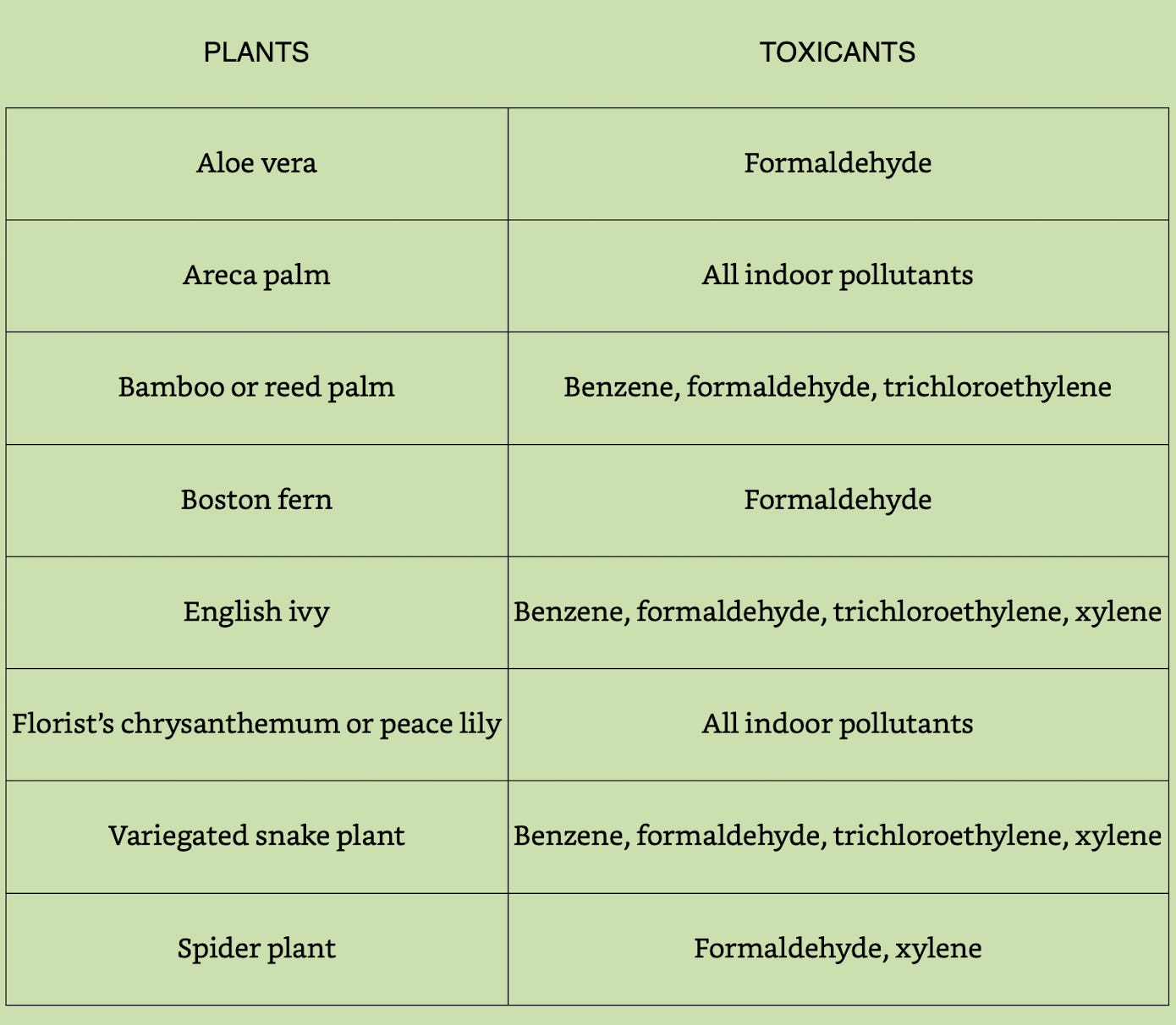
#3 Houseplants To The Rescue
Research done by NASA states that plants can place a significant role in the removal of organic chemicals (benzene, trichloroethylene, and formaldehyde) from indoor air.
It Takes Time
The transition to non toxic living does’t happen over night.
This post may have come off as dense and scary but the point is to be informed and do the best when you can. Minimizing the amount of chemically-filled consumer products (ie switching to non toxic products) in your home will aid in decreasing the VOCs in your air. Small changes add up.
If you feel overwhelmed by this, consider starting by making these changes in your bedroom. Move the fragrances, electronics and unnecessary consumer products to another room.
Recap:
+ Vacuum and clean your floors with non toxic floor cleaner weekly
+ Transition to non toxic products
+ Invest in an Air Purifier (when you are ready)
+ Maybe try to be a plant mom ?
You’ve got this. By being informed and aware, you are taking the first steps. Your body (and your pets/children) will thank you.
LOOKING FOR MORE?
Not sure where to start your non toxic living journey? Try here.
Looking to transition to non toxic hair products? Start here.
For more vetted non toxic self care products, take a look here.

More soon,
Drew